How I got into triathlon
From the pool in Nymburk, through a first race that left me completely dead, to a 4:19 half IRONMAN. And why I wanted to go all in, even when people around me talked me out of it.
A swimmer who tried everything
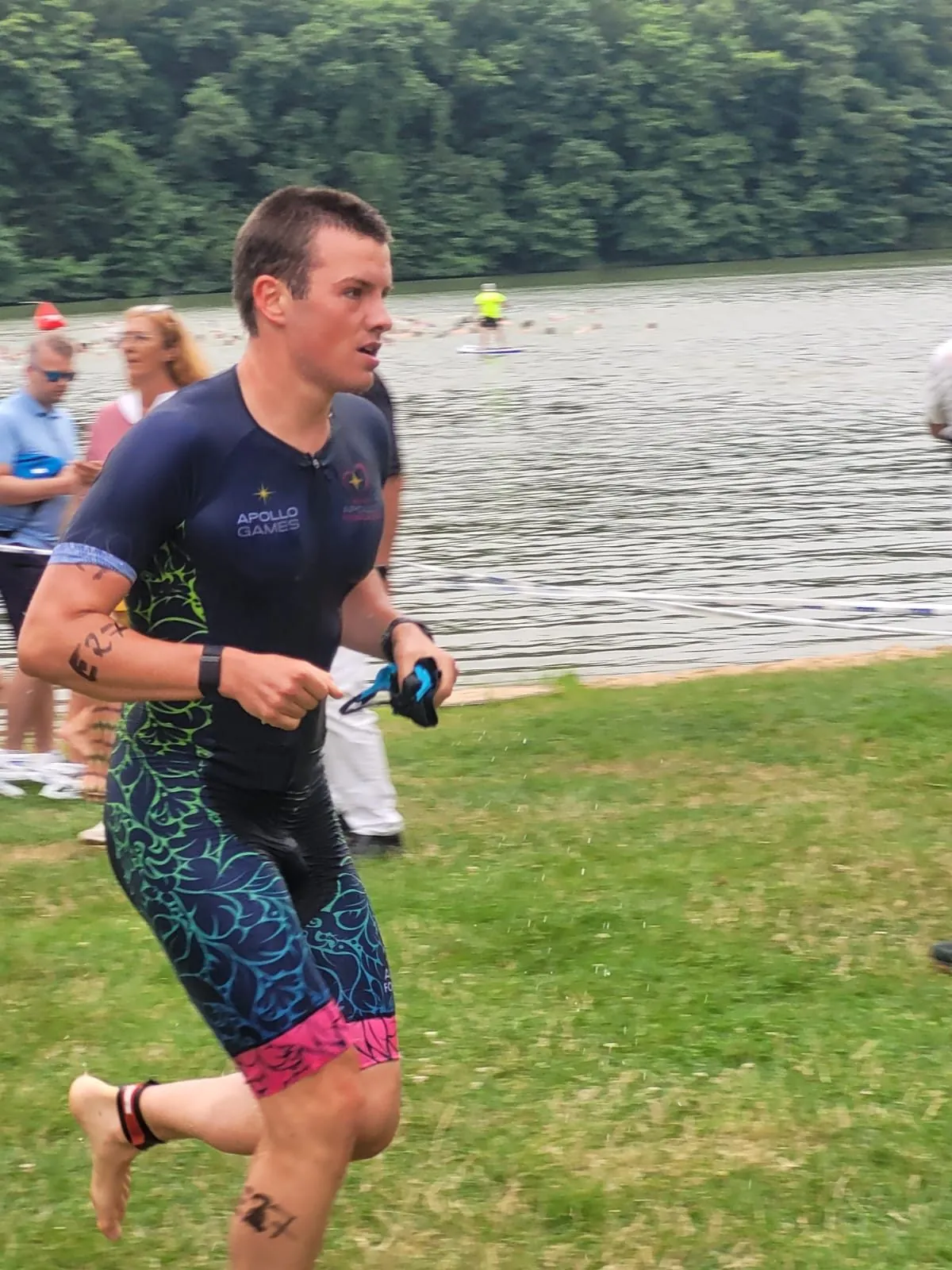
Before I found triathlon I tried lots of sports: tennis, basketball and athletics. Athletics gave me a running base. But what I enjoyed most was competitive swimming. I swam for SKP Nymburk from the age of eight until I was eighteen or nineteen.
I started triathlon at fifteen, purely for fun. I trained on my own and only on the side: a ride here, a run there, mostly as extra work for swimming. I didn’t really see myself in it.
First race: Železný muž Vyžlovka
My first triathlon was Železný muž Vyžlovka, a short sprint: 400 metres of swimming, 12 kilometres on the bike and 4 kilometres of running. I remember somehow finishing the run completely dead. But I loved it.
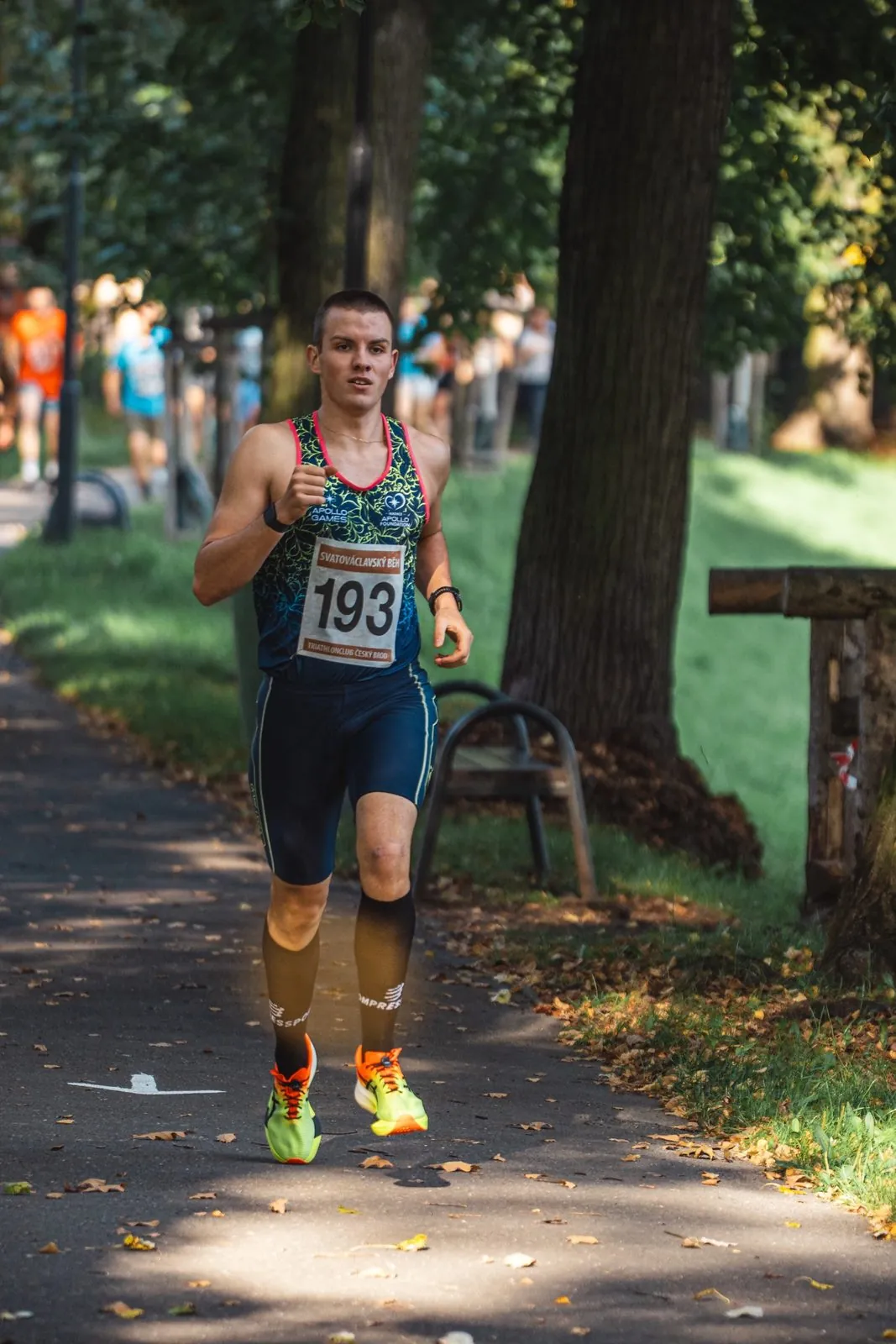
What hooked me most was that if you’re having a bad day in one discipline, you can make it up in the next. If the swim goes wrong, maybe the bike clicks. Over longer distances a race changes from hour to hour, and that’s what makes racing so interesting.
Czechman and the decision to go all in
The turning point came in 2024, at eighteen, when I raced my first half IRONMAN, Czechman. I finished in 4:44, a good time for a first half. That’s where I first saw I had potential. Michal Štefan from Cardiolab confirmed it too; I did stress tests there that year to know where I stood and how to move on.
At first people around me talked me out of it. Enjoy the sport as a hobby, it’s nothing important, just finishing is enough. But I wanted to find out what the next level is like. What that speed feels like, where it takes you and how it changes your life.
Coaches
I started looking and found my first coach. He brought me into performance triathlon nicely. He showed me what a structured week can look like, with structured bike and run sessions for middle distance. Over time, though, our views and approach to the sport drifted apart, so we parted ways at the start of the 2026 season.
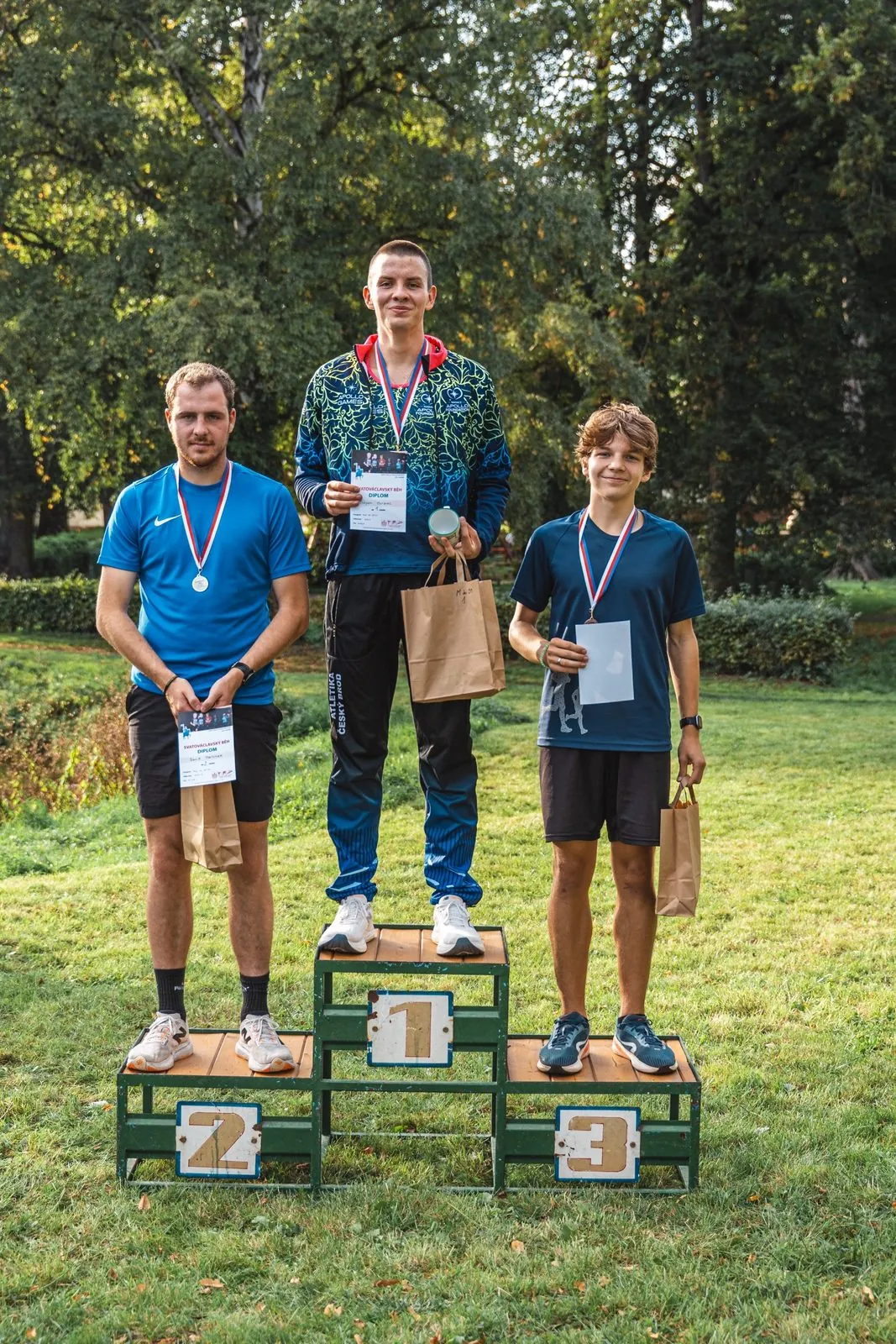
I carried on alone for a while and then started working with Tomáš Řenč. He gave me back my appetite for training and helped me out of a mild burnout. Thanks to him I saved my 2026 season.
Who supports me
My biggest support is my parents and my girlfriend Maruška. They have to cope with the tired version of me too. At this volume training takes about a third of your life, university or work another third, and the rest is for everything else. It’s demanding for the people around me, but it also brings us closer.
The hardest part of triathlon
The hardest part isn’t the training itself, but fitting it all together. We have 24 hours and 7 days a week, and it keeps going round: training, sleep, university, duties. Then comes a race, a short rest, and on you go.
In the tired phases your whole body hurts. You sleep badly, but still have to train and deal with everyday life. People look at you like you’re crazy when you say you did a two- to three-hour ride that day and studied for a test in between.
Combining student life and training often means studying during training. On a long easy ride on the trainer I take a textbook along, and it feels normal that sweat drips onto it. I have to read each sentence two or three times, because with a higher heart rate it sinks in more slowly.
What triathlon gives me
Triathlon gives you a lot beyond sport. Discipline, new people and new knowledge. It’s a young sport that keeps evolving. If you follow it, news keeps coming, whether in bike aerodynamics or in nutrition.
Some of it is a one-season trend that turns out to be nonsense the next year. It’s trial and error. And that’s exactly what I love about triathlon: there’s always something to try and somewhere to improve.